Why design helps
shape our knowledge
Figures and facts do not speak for themselves. Those who can read their design can also recognise what a graphic highlights — and what it leaves out.
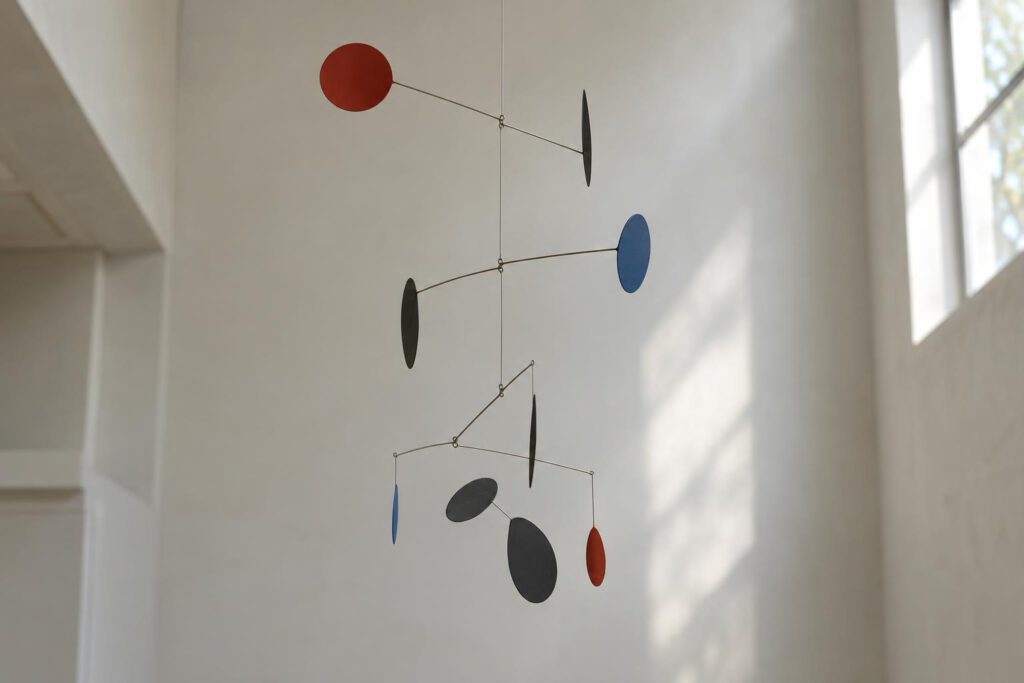
→Alexander Calder made movement a material of sculpture. Fifty years after his death, the question arises anew of what his mobiles and monumental works ask of space – and what they give it.
Hauser & Wirth Paris, Paris · 19 October to 19 December 2026
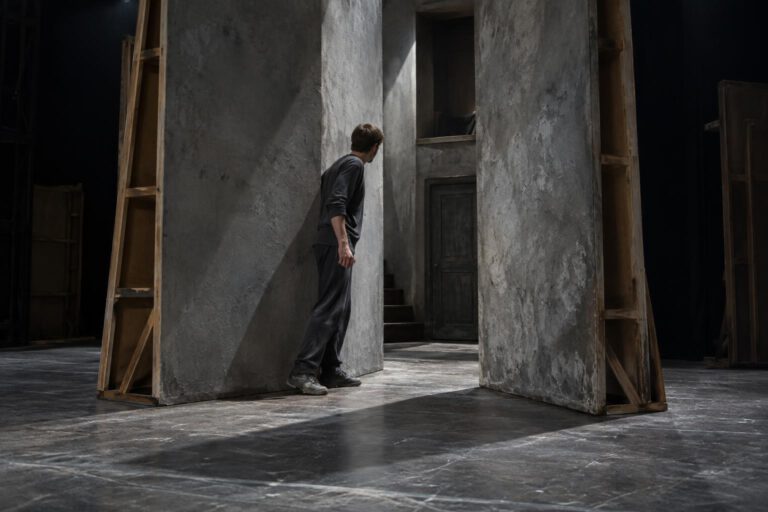
READ THE ESSAYErsan Mondtag is responsible for both the direction and set design of ‘Hamlet’. The premiere at the Berliner Ensemble asks how space can open up new readings of a classic.
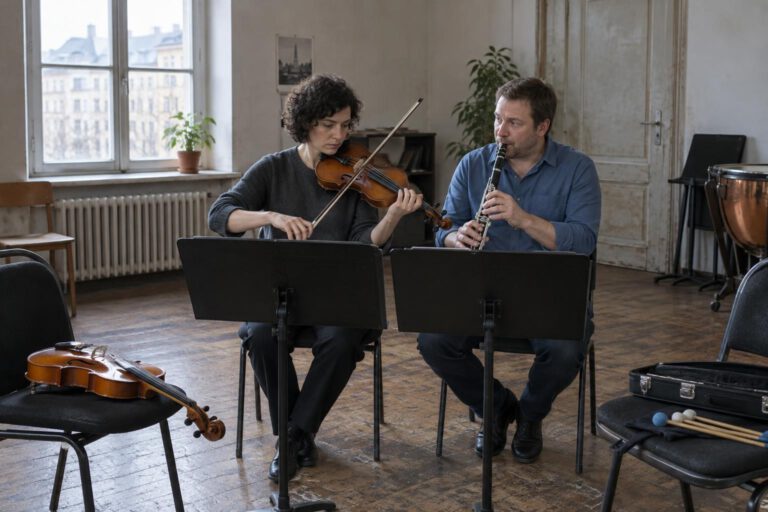
→An award brings names to public attention. Whether that translates into new music in the concert hall depends on more than a certificate.
→Feminist art in Wien, bodies and machines in Basel, figures and models in Düsseldorf: three perspectives on visibility and power.
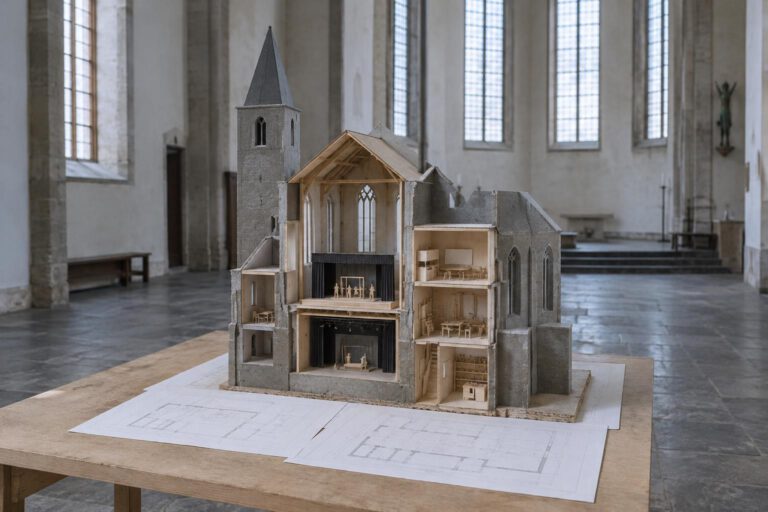
→Designs turn churches into cultural centres. Whether they become lasting venues depends on more than architectural ingenuity alone.
→Five titles, one award: what the rules of the Swiss Book Prize reveal about literary belonging.
→Between metropolis, theatre and night: Salzburg shows how artists of the interwar period observed the world around them.
→Refusal to carry out a routine assignment becomes a court case: Armin Petras brings Heinrich Böll’s satire to Theater Bonn. What does a small act of disobedience mean today?
→A documentary assembles Einar Schleef’s own voice and images into a portrait. In doing so, it makes the question of remembrance itself its subject.
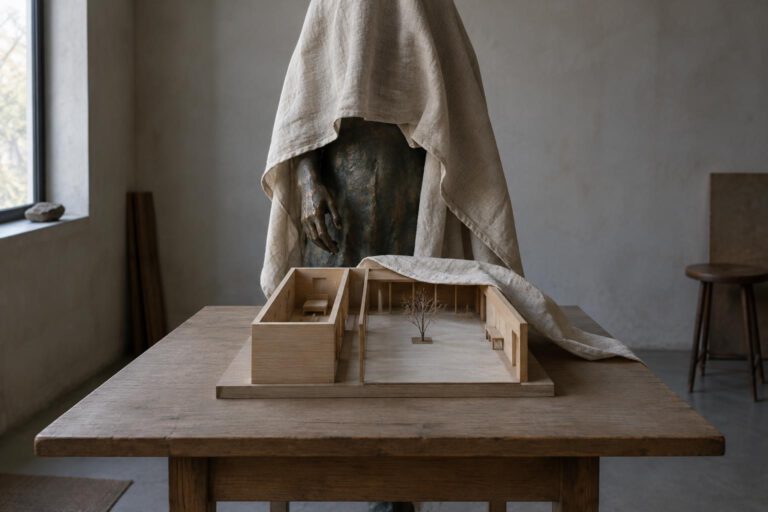
→Eileen Gray conceived furniture and architecture together. An exhibition in Kaiserslautern brings this approach to life through models and spatial installations.
→Between diversity, competition and reading promotion: what the federal government can do for books — and where its remit ends.
→A fictional Swiss bank on trial: in Appenzell, Gabriela Löffel asks how art can investigate financial power and its narratives.
→From French into German, from the written sentence to the voice: Fiston Mwanza Mujila's literature thrives in transition.
→