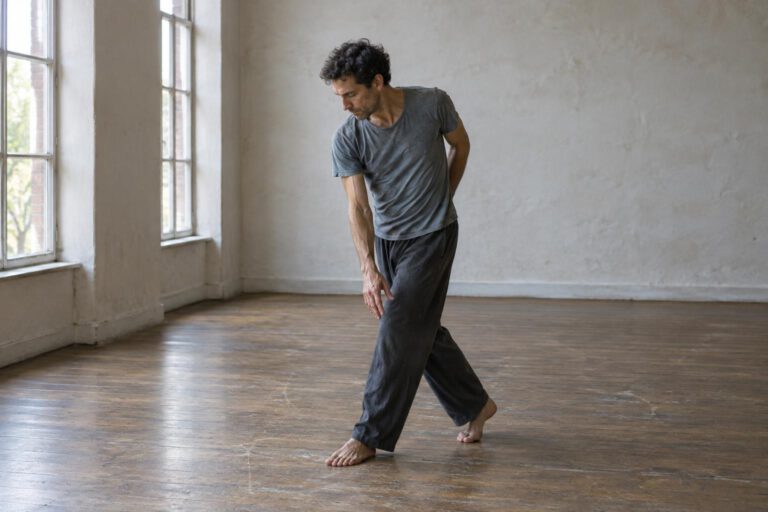
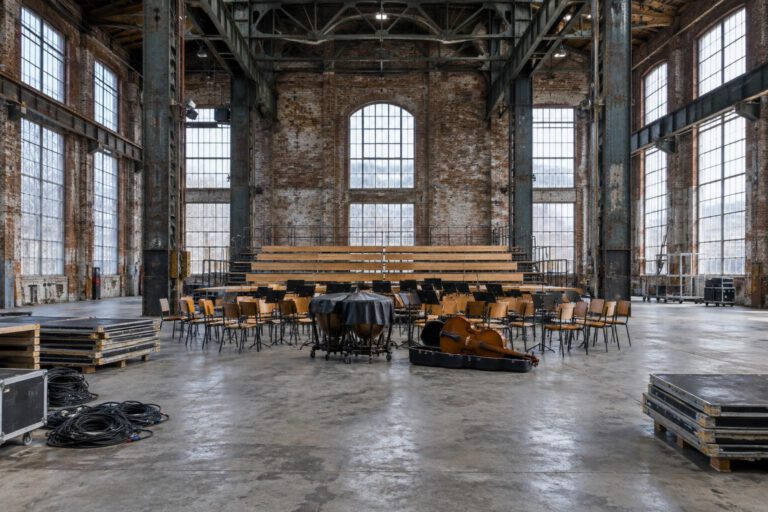
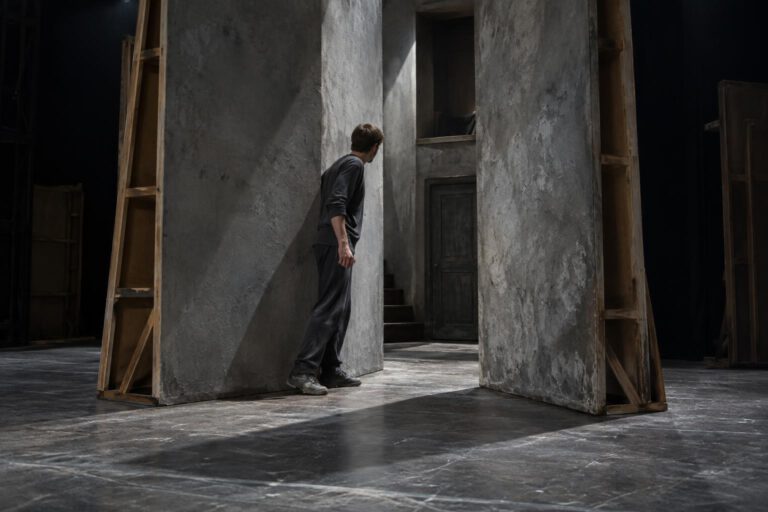
What happens when an evening allows two very different societies to respond to music by the same composer? At La Scala in Milan, George Balanchine’s ‘Apollo’ and Pina Bausch’s ‘Le Sacre du printemps’ are on the programme in November. The choreographies were created almost half a century apart; both use music by Igor Stravinsky, yet their bodies do not tell the same story of community.
La Scala announces ‘Apollo’ as the evening’s opening work, followed by Bausch’s ‘Le Sacre’. Sandra Jennings is entrusted with staging Balanchine’s ballet; Bausch’s work is being rehearsed under the artistic direction of Josephine Ann Endicott, with a rehearsal team including Pau Aran Gimeno, Scott Jennings, Breanna O’Mara and Ekaterina Shushakova. These are details of the announced team, not a description of a performance already seen: the performances will take place from 7 to 21 November 2026.
The Individual Ascends
‘Apollo’ was created in 1928, when Balanchine was 24. The George Balanchine Foundation records the Paris premiere with the Ballets Russes on 12 June; Stravinsky conducted. The ballet was Balanchine’s first collaboration with the composer and marked the beginning of a long artistic partnership. At its centre is the god Apollo: he grows to maturity, encounters the muses Calliope, Polyhymnia and Terpsichore, and finally leads them together to Parnassus.
The action does not divide the stage among an anonymous crowd, but organises it around a figure who comes to the fore. Apollo gives the muses the attributes of their arts and dances a pas de deux with Terpsichore. Community here is thus also a network of relationships gathered around a centre. The classical ballet body is not abolished, but deployed as a precise, malleable instrument: individual movements stand out and find their place within the shared order. La Scala presents a new staging of the version choreographed by Balanchine.
The Group Chooses One Woman
Bausch created ‘Le Sacre du printemps’ in 1975 for Tanztheater Wuppertal. The Pina Bausch Foundation credits Hans Pop as a collaborator and Rolf Borzik with the set and costumes. Here, too, there is a community and a single figure, but the balance of power is reversed: in Stravinsky’s ballet, a young woman is designated the Chosen One and dances herself to death. Bausch turns this ritual into a physical experience of belonging and being at others’ mercy.
The stage is crucial to this: Borzik’s design calls for the floor to be covered in earth, and the costumes from the premiere are documented on the foundation’s website. The earth is not merely landscape, but material on which the dancers move and leave traces. Where Balanchine’s figures form a clearly structured order organised around a centre, Bausch brings the group into focus as pressure and dependency. The Chosen One does not stand outside the community; it is precisely its cohesion that makes her fate possible.
Stravinsky, Two Responses
Sharing a composer does not, then, mean sharing an outlook. ‘Apollo’ treats myth as ascent and transformation: an individual comes to the fore, brings others together and rises with them. ‘Le Sacre’ binds the individual woman to a collective whose ritual brings her forth and sacrifices her at the same time. In both works, music becomes the driving force of choreographic order, but the order itself differs – concentration and upward movement here; selection, resistance and collective enactment there.
For La Scala, the juxtaposition is also an encounter between repertoire and new production: Balanchine’s ballet returns in a version overseen by the Trust; Bausch’s ‘Sacre’ is being mounted as a joint production by the theatre and the Pina Bausch Foundation. What the dancers make of it on stage can only be judged during the performances. Yet the programme sequence itself poses a productive question: is community a place where individuals grow – or an order that exacts its price from them?
Original reviewed by the editors · 3 November 2026