FILM
How Einar Schleef’s archive becomes an interlocutor
A documentary assembles Einar Schleef’s own voice and images into a portrait. In doing so, it makes the question of remembrance itself its subject.
→Cinema, series and festivals – releases, reviews and background.
Andrey Zvyagintsev’s first feature since “Loveless” takes us to Russia in 2022: a company boss comes under business and political pressure. The film opens in Germany on 5 November.
READ THE BACKGROUNDA documentary assembles Einar Schleef’s own voice and images into a portrait. In doing so, it makes the question of remembrance itself its subject.
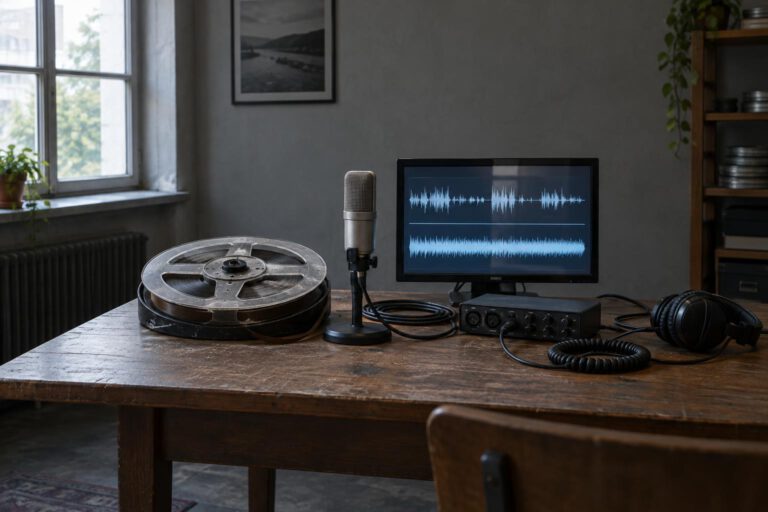
→Between archive audio and synthetic voices lie questions of consent, labelling and documentary truth.
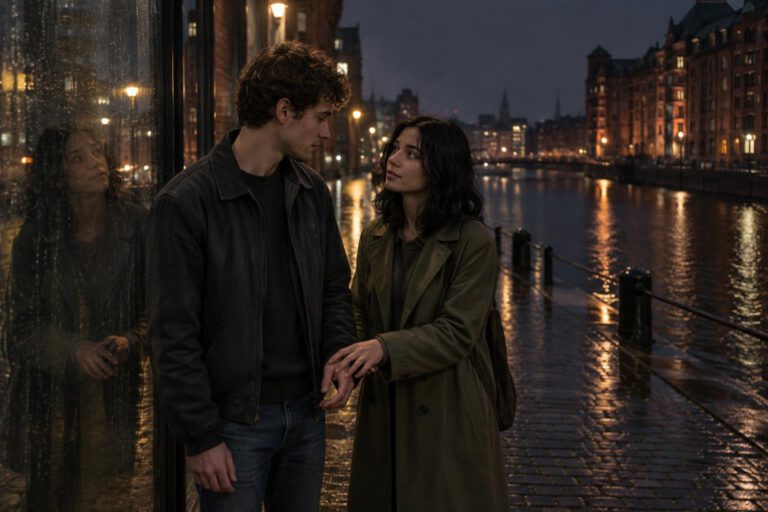
→An encounter, a sudden loss, forty nights in dreams: Fatih Akin’s new film ‘Geister’ (Ghosts) opens in German cinemas on 5 November.
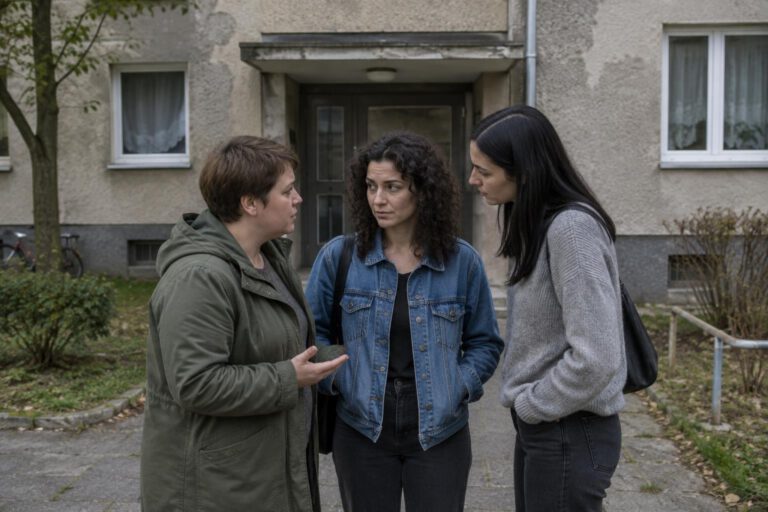
→One novel becomes a film, while its author wins an award for another book: what this double attention means for Bazyar’s themes.
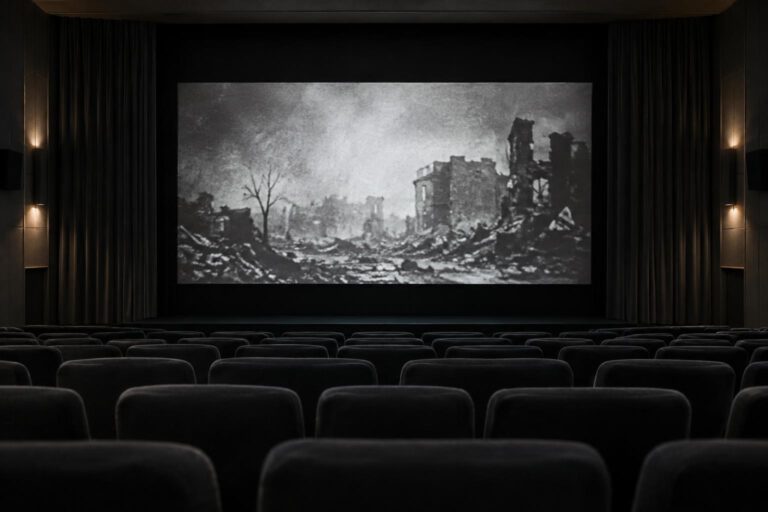
→From camp fences to deportation trains: cinema has established motifs that support remembrance – but can also obscure historical complexity.
→Fatih Akin’s “Geister” (Ghosts) tells of love and loss. Its cinema release raises a fundamental question: how does absence become an image?
→“Real Life” is the festival’s theme. A look at the programme and discussions reveals that the question of AI is present, but not as a simple yes-or-no decision.
→A documentary made from archive footage approaches Einar Schleef and a theatre history that cannot be repeated.
→Five nominations, one prize and an old question: how do you judge a film without letting it win you over?
→Lübeck puts Nordic cinema in the spotlight. Whether the films subsequently reach German cinemas depends on distributors, programming slots and audiences.
→Wenders’ 3D portrait of Peter Zumthor turns spaces into a cinematic experience. But guided perception is not the same as moving through architecture for ourselves.
→Photographs, drawings, fabrics: to mark the release of “Die Blutgräfin” (The Blood Countess), a portrait of Ulrike Ottinger’s filmmaking through the visual arts.
→